
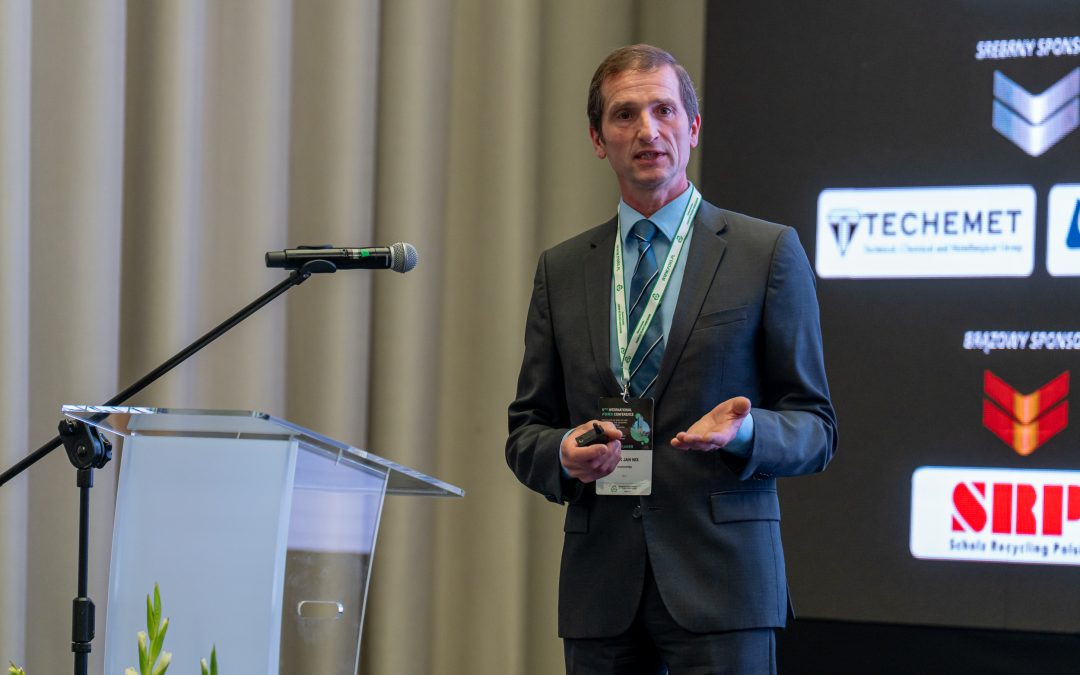
Henk Jan Nix, Secretary of the European Group of Automotive Recycling Associations (EGARA), explains why vehicle recyclers must engage with national governments as the EU’s new Circular Vehicle Regulation moves towards implementation. With Member States having considerable discretion over how they apply certain requirements, the next two years will shape the practical and financial implications for authorised treatment facilities (ATFs) across Europe.
It’s lobby time again. The Circular Vehicle Regulation is coming and will apply from 1st September 2028. It’s a direct regulation for all Member States, so what’s the big deal? It seems we don’t need to panic for the next 2 years.
The thing is, in the next two years, Member States have the time to adapt their existing national laws to this new Regulation. We need to prevent duplication and contradictory legislation. But Member States also need to choose how to meet certain obligations. In many cases, the Regulation states: “Member States shall establish… or …” or “Member States may …”. Even producers can make choices: “producers may choose to…”. This leaves a lot of room for national interpretations and differences!
Beyond the choices given in the Regulation, there are many interpretive possibilities, simply because the wording is not limiting. Take, for instance, ‘permeable floors’. This is not defined. Does it have to be concrete? Do they need to be certified? Can it be measures like drip cans? How does it affect existing systems? Another one is ‘expert’. In the case of vehicle export, an expert needs to state that it’s a vehicle, not an ELV. We should be lucky that it’s not defined, but it leaves room and uncertainty until it is set. Is it a mechanic, or is it someone from the road agency? Or is it an insurance expert? Or are all of them ok? It’s all about choices, and if we just wait for what comes out, we may end up with choices that aren’t in our best interest.
Labelling parts and registering vehicles are obligations for the dismantler. In some countries, vehicle data can be easily extracted from national vehicle registration systems. This would mean fewer mistakes (typos), a significant decrease in administrative burden, and no extra complicated or faulty) new system to enteralready existing data. The same applies to dismantler software systems. In most countries, software providers offer ATFs systems that let them digitise their stock, so every part can be traced back to the original donor vehicle (at VIN level). If our governments connected to and accepted these systems as sufficient to meet these obligations, it would mean big differences in investment and extra work. Of course, systems need to be checked, and we should expect some adjustments to fulfill all desires, but why not?
As we probably need to take out more materials (from 2029 on) for which there isn’t always a market, EPR means compensating for extra labour and investment. Some materials are excluded if other separation methods exist, or if dismantling them is extremely labour-intensive, and there is no market or recycling method. But it needs to be proven. So, we face a difference of opinion on how to compensate (it should be per waste stream, but some stakeholders prefer to add up all costs and wins), and on how to prove whether removal is ineffective. We need to discuss this with PROs, OEMs, research institutes and our national governments.
The Regulation encourages member states to incentivise (economic incentives, article 32.1.b.) the reuse of parts and to implement certified environmental management systems (article 26.4). These articles seem promising, but they will mean little if we do not push them. In particular, the economic incentive should take the form of reduced VAT rates or other advantages, such as maintenance and repair at workshops using used parts, reduced insurance policies that allow repairs with used parts, or something as simple as affordable liability insurance.
Bear in mind stakeholders have different interests and will interpret things in their own benefit, which is only logical. But that means we need to lobby our national governments and find allies among other stakeholders, just to avoid ending up with very dismantler-unfriendly choices. We must explain our needs to our officials ourselves for the best results. We should not let others take advantage of us. For us dismantlers, the tide is right, but we must act ourselves, as nobody else will protect our interests.

Recent Comments